

How to choose reliable heated motorcycle gloves for winter
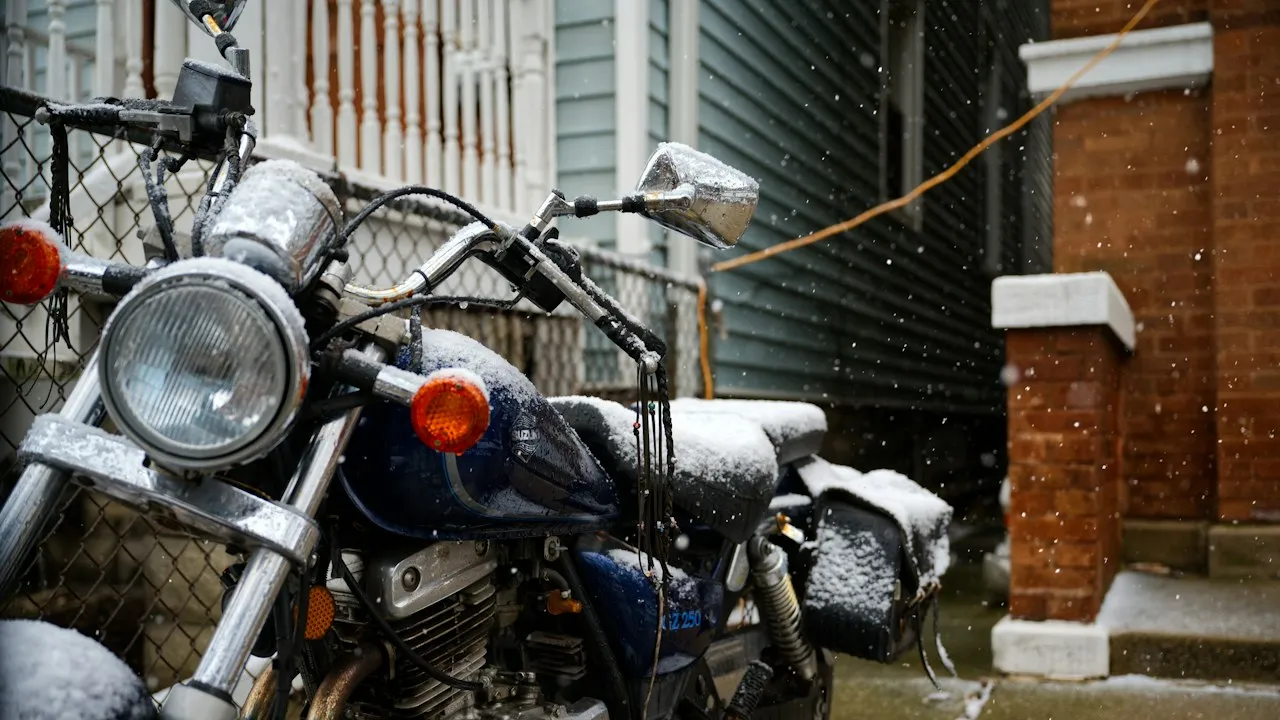
Cold fingers can turn a winter ride into a safety issue. Reduced sensitivity affects your grip, your ability to operate switches and your confidence when braking or using the clutch. Heated motorcycle gloves offer active warmth, but the best pair is not simply the one that feels hottest indoors. You need reliable power, practical controls, protective construction and a fit that works with every movement required on the road.
“Warm hands support calm decisions when conditions become demanding.”
Choose heated gloves as part of your winter riding system
Heated gloves work best when they complement the rest of your winter motorcycle equipment. A windproof jacket, insulated base layers and a helmet that limits cold airflow all reduce the demand placed on the gloves. If your body is losing heat rapidly, even powerful gloves may feel less effective because your circulation is already compromised.
For motorcycle-specific winter gear advice, consider how gloves integrate with waterproof cuffs, jacket sleeves, handlebar controls and daily riding conditions. A specialist resource such as View the guide can help you compare motorcycle gloves alongside other cold-weather riding equipment. Look for information on road use, protective materials, waterproof membranes and compatibility with touring or commuting setups. Heated gloves are wearable electronics, but they remain safety equipment first.
The right choice also depends on your journey length. A short urban commute may favour compact batteries and quick charging. Longer rural rides may justify spare batteries, a wired connection to the motorcycle or a lower heating setting that preserves power.
Battery capacity determines more than the advertised runtime
Battery capacity is usually expressed in watt-hours or milliamp-hours, although comparing milliamp-hour figures alone can be misleading when battery voltage differs. Watt-hours provide a clearer sense of stored energy because they account for both voltage and capacity. Higher capacity generally supports longer heating, but it may also add bulk at the wrist.
Most heated motorcycle gloves use rechargeable lithium-ion battery packs. These are typically placed in a cuff pocket and connected through a small cable. Before purchasing, check whether the batteries are included, whether replacements are available and whether the brand offers chargers designed for your region’s power supply.
Real-world battery life varies sharply according to several factors:
- The selected heat level.
- Ambient temperature and wind chill.
- Battery age and charging condition.
- Glove insulation and waterproofing.
- How much warmth your hands retain naturally.
- Frequent adjustment of heat settings during the ride.
A manufacturer’s maximum runtime often reflects a low setting under controlled conditions. Treat it as a comparison point rather than a guarantee for a freezing, wet motorway journey. If you regularly ride for several hours, investigate spare battery pricing and charging time before committing to a system.
Wired power can suit frequent long-distance riders
Some gloves can connect to a motorcycle-mounted electrical harness. This removes dependence on battery runtime, although installation requires care and may be better handled by a qualified technician. Check the system’s fuse protection, connectors and compatibility with your motorcycle’s charging capacity.
A wired setup can be practical for winter touring, but battery-powered gloves remain more flexible for commuting, walking between destinations and using more than one motorcycle.
Heating zones and controls shape comfort on the road
The most effective gloves distribute heat across the areas that become cold first, commonly the fingers, back of the hand and sometimes the thumb. Heating only the palm may feel less useful because your palm already receives some warmth from the handlebar grip, while the fingertips remain exposed to wind.
Look for multiple temperature settings that can be changed without removing your gloves. Large, tactile buttons are easier to locate when wearing a helmet, and a clear indicator light can confirm the selected mode at a glance. However, bright lights should not distract you at night, and controls should not be positioned where they press uncomfortably against a jacket cuff.
Connected features, such as smartphone apps, can sound appealing to a technology-minded buyer. In practice, physical controls are usually more useful while riding. Your priority is a setting change that can be made quickly, with minimal attention away from traffic.
Charging design and durability deserve close inspection
Charging should fit your routine. Many systems use a dual charger that replenishes both batteries at once, which is convenient before a morning ride. Confirm whether charging status is clearly displayed and whether the batteries can be charged separately. Avoid leaving lithium-ion batteries unattended for long periods, especially near heat sources or flammable materials.
Battery care affects long-term performance. Store batteries in a dry place, avoid deep discharge when possible and follow the manufacturer’s seasonal storage guidance. If you stop riding for months, do not assume that fully charged batteries can be left untouched until next winter.
Inspect the cable where it enters the glove and battery pocket. This area experiences repeated bending when you flex your wrist. Durable gloves use protected routing and secure connectors that do not loosen easily. Water resistance around the battery compartment also matters, since rain exposure can damage electrical contacts even when the glove’s outer shell appears intact.
Protection and fit remain non-negotiable checks
A heated glove should meet the same practical expectations as any quality motorcycle glove. Seek abrasion-resistant materials, reinforced palms, knuckle protection and secure wrist retention. Heating elements should not create stiff pressure points or prevent the glove from fitting closely around your fingers.
Waterproofing is equally relevant. A breathable waterproof membrane helps keep rain out while allowing moisture to escape, reducing the clammy feeling that can make hands colder. Check whether the cuff is long enough to overlap your jacket sleeve and block wind-driven rain.
Try gloves on with the layers you actually wear. Your fingers should reach the ends without compression, and you should be able to operate indicators, horn, starter, clutch and brake lever smoothly. A glove that is too tight can restrict circulation, undermining the benefit of its heating system.
Reliable heated gloves make winter riding more manageable
The best heated motorcycle gloves balance electronics with rider protection. Battery capacity, heat zones and charging convenience matter, yet they should never outweigh fit, waterproofing and impact protection. Choose a model that matches your normal ride duration, weather exposure and ability to recharge or carry spare power.
Key points to remember before buying include:
- Compare battery systems by usable energy and replacement availability, not marketing claims alone.
- Choose heat controls that you can operate safely with gloved hands.
- Check whether heating reaches the fingers and thumb, not only the palm.
- Assess charging time, cable durability and battery storage requirements.
- Prioritise protective construction, waterproofing and a secure wrist closure.
- Test the fit while simulating braking, clutch use and switch operation.